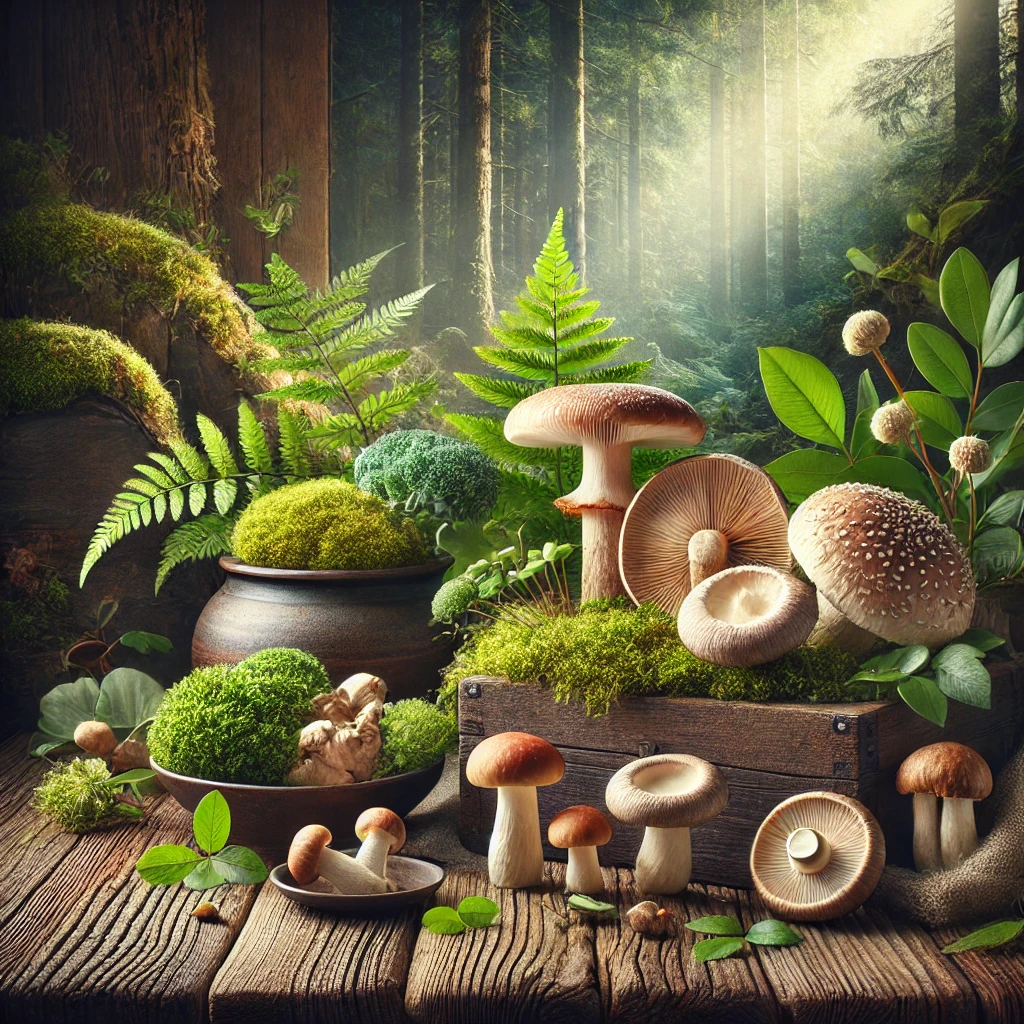
Mushrooms, often overshadowed by flashier superfoods, are quietly making a name for themselves as one of the most versatile and beneficial foods on the planet. Beyond their delicious flavor and culinary adaptability, mushrooms boast an impressive array of health benefits, environmental contributions, and innovative uses that are revolutionizing the way we think about food and sustainability.
A Nutritional Powerhouse
Mushrooms are low in calories and rich in essential nutrients, making them a fantastic addition to any diet. They are an excellent source of vitamins like B2, B3, and D, as well as minerals such as selenium, potassium, and copper. Many mushrooms, including shiitake and maitake, contain compounds that support immune health, reduce inflammation, and even help manage cholesterol levels. Their high fiber content promotes digestive health, while their antioxidants combat oxidative stress.
Culinary Versatility
From hearty soups to gourmet risottos, mushrooms can transform simple dishes into culinary masterpieces. Varieties like portobello are often used as a vegetarian substitute for meat due to their meaty texture and rich umami flavor. Oyster mushrooms add a delicate, slightly sweet taste to stir-fries, while chanterelles and porcini elevate pasta dishes with their earthy, nutty notes. Whether sautéed, grilled, or incorporated into sauces, mushrooms adapt effortlessly to a wide range of cuisines.
Environmental Benefits
Mushrooms are not just good for your health—they’re good for the planet too. They require minimal water, land, and energy to grow compared to other crops. Vertical mushroom farms are sprouting up in urban areas, offering fresh produce with a significantly reduced carbon footprint. Additionally, mushrooms play a vital role in ecosystems by breaking down organic matter and recycling nutrients into the soil.
Beyond the Plate
Mushrooms have uses that extend far beyond the kitchen. Mycelium, the root structure of mushrooms, is being used to create sustainable materials like biodegradable packaging, furniture, and even building blocks. In the fashion industry, mushroom leather is emerging as an eco-friendly alternative to traditional animal-based products. Mycoremediation, a process where fungi are used to clean up environmental pollutants, highlights their potential to restore ecosystems.
Mushrooms in Wellness
Certain mushrooms, such as reishi, lion’s mane, and cordyceps, are gaining popularity for their potential health benefits. Reishi is often referred to as the “mushroom of immortality” and is prized for its calming properties. Lion’s mane is known for its ability to support cognitive function, while cordyceps are favored for their energy-boosting qualities. These mushrooms are commonly found in teas, supplements, and wellness products designed to enhance overall health.
Incorporating Mushrooms into Your Life
Adding mushrooms to your daily routine has never been easier. Start by incorporating them into meals, exploring mushroom-based supplements, or even trying mushroom-infused coffee for a morning energy boost. For the eco-conscious, consider experimenting with growing your own mushrooms at home. Kits are readily available and offer a fun, sustainable way to enjoy fresh mushrooms.
Mushrooms are more than just a culinary delight. They are a testament to nature’s ingenuity, offering solutions for healthier lifestyles, innovative materials, and environmental sustainability. Whether you’re enjoying them in a meal, using products derived from their mycelium, or exploring their wellness benefits, mushrooms prove that big things often come in small, unassuming packages.